
Money doesn't have to be mysterious
You started a business because you're good at something. But somewhere between invoices and tax obligations, the numbers stopped making sense. We change that by teaching business finance in a way that actually clicks.

Three things we believe about money
Most finance education talks at you. We'd rather talk with you about what actually matters when you're running a small business in Australia.
Context beats theory
A cash flow forecast means nothing until you've had to decide between paying yourself or your supplier. We start there — with the situations you're already in — and work backwards to the concepts.
Numbers tell stories
Your profit and loss statement isn't just rows of figures. It's a narrative about how your business actually functions. Once you see the story, the decisions become clearer.
Small steps compound
You won't master business finance in a weekend. But understanding one concept each week — really understanding it — adds up faster than you'd think. By mid-2026, you'll look back surprised.
How we teach this stuff
Most finance courses throw spreadsheets at you and hope something sticks. That hasn't worked for anyone I've met.
Instead, we build around situations you've probably faced this month. Late payment from a client. Deciding whether to hire someone. Figuring out if you can afford that equipment.
- Real business scenarios from Australian small businesses
- Break down each decision into manageable parts
- Connect what you learn to what you're dealing with today
- Practice with numbers that look like yours, not some corporation's

What you'll actually walk away with
I'm not going to promise you'll become a financial wizard. But after working through this program, money conversations get easier.
You'll understand what your accountant means when they explain something. You'll spot problems in your cash flow before they become urgent. And when someone asks about your margins, you won't need to change the subject.
- Read your financial statements without guessing
- Plan ahead using numbers instead of gut feelings
- Talk to banks or investors without feeling lost
- Make pricing decisions based on actual costs

People who've been through this
These are folks who started in the same place — confused by the numbers but determined to figure it out. They're not finance experts now, but they're comfortable enough to run their businesses better.
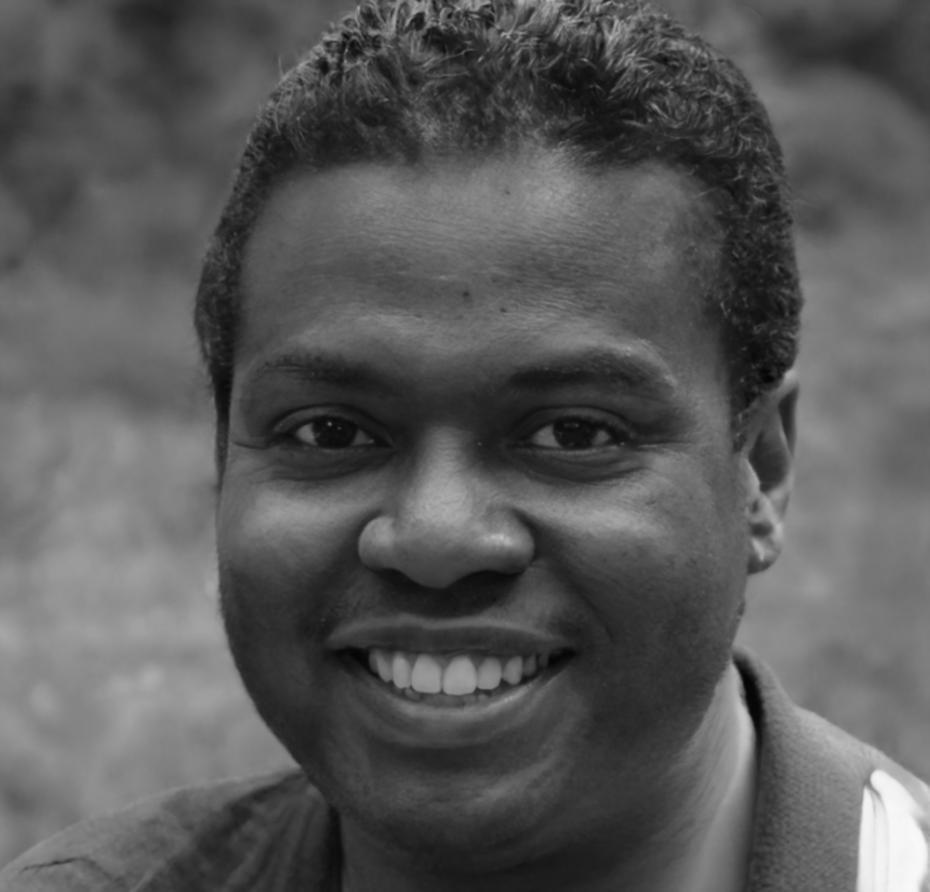
Desmond Fairweather
Renovation contractor, Newcastle
"I used to quote jobs based on what felt right. Three months into the program, I started tracking my actual costs per project. Turns out I was underpricing by about 18%. Fixed that problem pretty quickly once I could see it clearly."
Better pricing confidence within 90 days
Catering business owner
Western suburbs, Sydney
"The cash flow module changed everything. I always wondered why I'd have a profitable month but no money in the bank. Now I forecast three months ahead and know exactly when tight periods are coming. Haven't missed a supplier payment since July 2024."
Consistent cash management for 6+ monthsHow this unfolds over time
Starting June 2026, we're running our next cohort. It takes about eight months, moving at a pace that works around actual business schedules. One concept at a time until the whole picture comes together.
Foundation phase
June – July 2026 | 8 weeksWe start with the basics, but not in a boring textbook way. What do all those line items on your financial statements actually mean? How do you read them without falling asleep? You'll work with your own numbers from week one.
Planning phase
August – October 2026 | 10 weeksThis is where it gets practical. Building forecasts that actually help you make decisions. Understanding your pricing properly. Creating budgets that you'll actually use instead of filing away somewhere.
Growth phase
November – January 2027 | 10 weeksNow we look at bigger decisions. When does it make sense to grow? How do you evaluate whether you can afford to hire? What do those bank loan terms really mean? You'll finish this section ready to have grown-up conversations about money.